



Despite the Absence of Basic Services… Syrians Return to Their Destroyed Neighborhoods in Homs

Defying destruction and harsh
economic conditions, many residents of Homs are returning to their devastated
neighborhoods after years of displacement. For these families, the return is
not merely a practical decision but an emotional journey to reclaim memories,
identity, and a sense of belonging in a city once known as the “Capital of
the Syrian Revolution.”
Returning to Ruins, Holding on to Hope
A month ago, Doaa Turki
(30) returned with her husband and four children to their home in the Al‑Khaldiyeh
neighborhood. The house contains little more than a few utensils on wooden
shelves and a television with no electricity. Her husband searches for work
“anywhere,” while she spends her days with neighboring women who have also
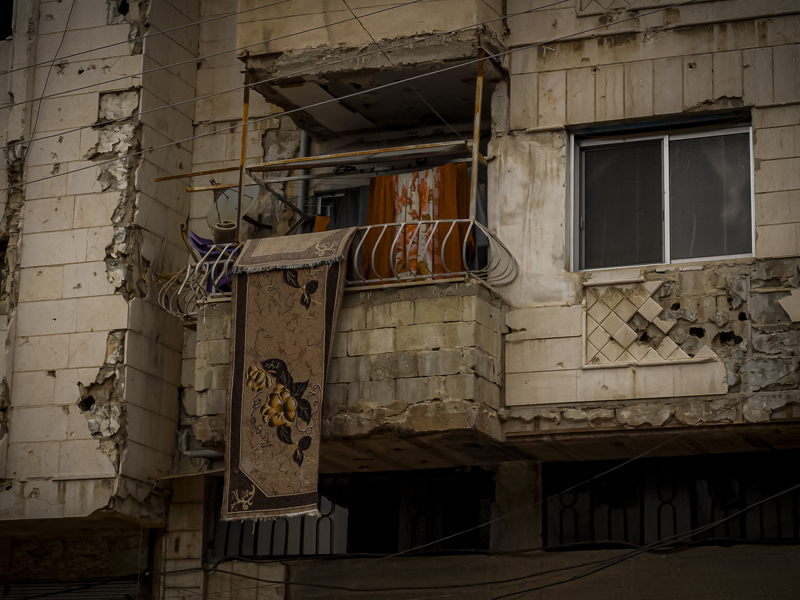
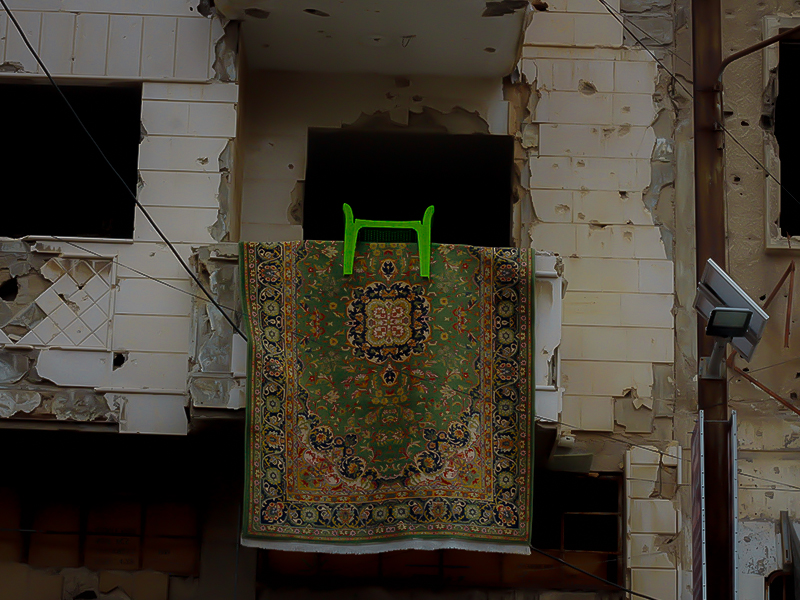
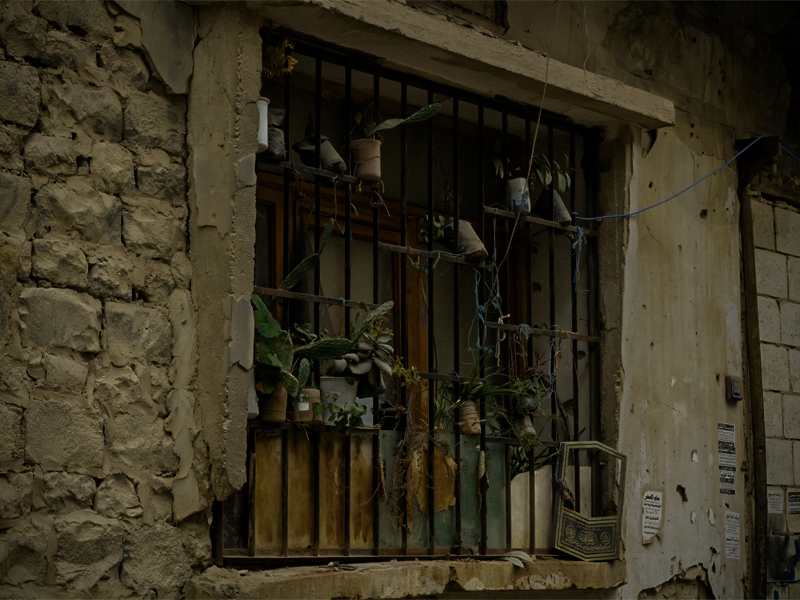
returned, watching the nearly empty streets through broken windows and
shattered walls, hoping for humanitarian workers to pass by and offer
assistance.
Doaa describes her home, its walls
blackened and its windows gone: “The house is burned, there are no windows, no electricity… We
cleared the rubble, laid down a mat, and sat. Despite all this destruction, we
are happy to be back. This is our neighborhood, our land.”
A Neighborhood Without Shape… But Full of Memory
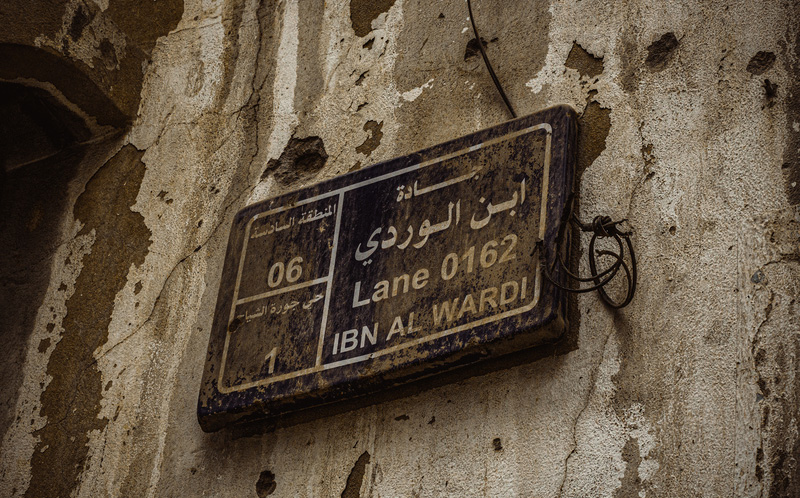
Her home overlooks a street whose
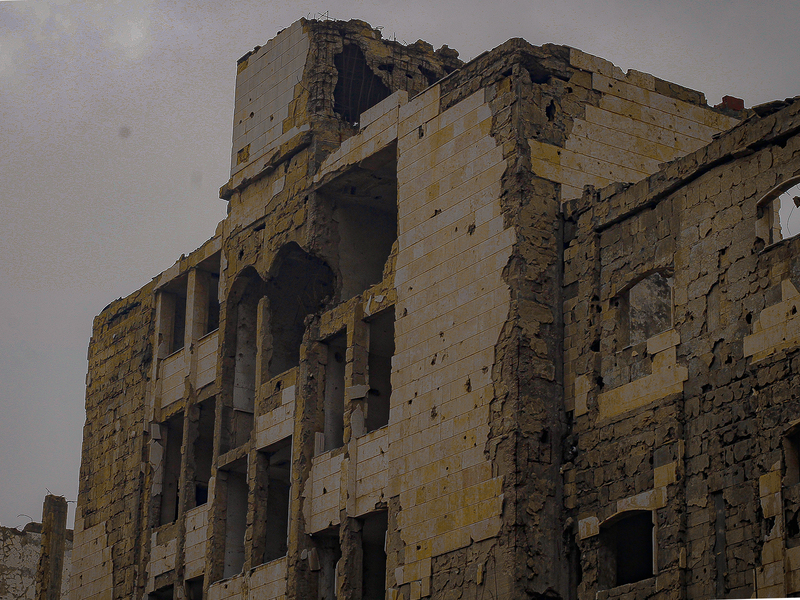
landmarks have vanished, with gaping holes in the walls revealing remnants of
buildings that once bustled with life. Yet for the returning families, simply
being back is a step toward reclaiming their past.
Homs: From the Spark of the Revolution to Years of Siege
Homs was among the first cities to
join the 2011
uprising, and soon became a center of armed confrontation. The Baba Amr
neighborhood served as a stronghold for the Free Syrian Army before the regime
recaptured it in March 2012. Afterward, government forces imposed a suffocating
siege on several districts, subjecting them to near‑daily bombardment that
caused massive destruction and hundreds of deaths, forcing tens of thousands to
flee.
Returning Against All Odds
Today, some residents are
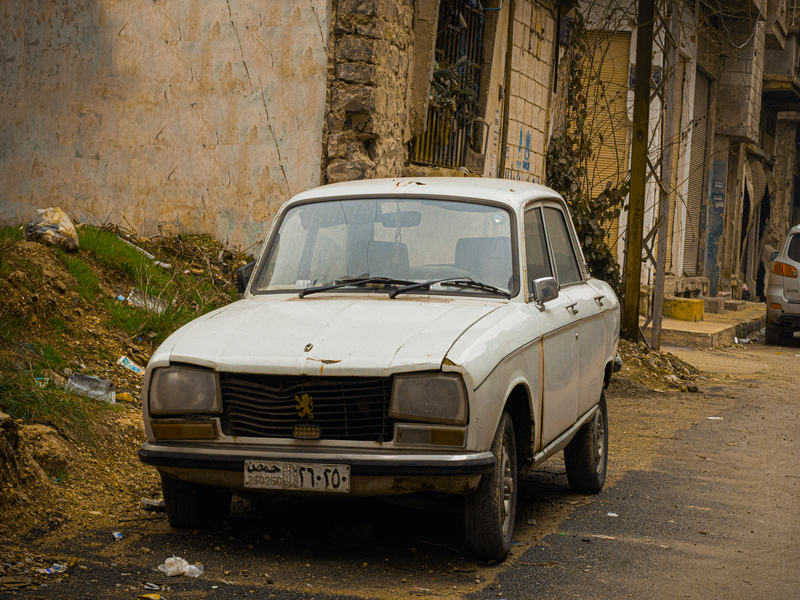
returning to neighborhoods without electricity, water, or basic infrastructure.
But they return because the place is more than buildings—it is memory,
identity, and home. Despite the absence of life’s essentials, these families
insist on rebuilding what was lost, even with limited means, holding on to
their right to their city and their future.

Leave a Reply
Your email address will not be published. Required fields are marked *
Search
Category