



Homs’ Historic Markets… A Gradual Revival in the Heart of a War Scarred City
For centuries, the city of Homs has played a
significant historical role thanks to its strategic central location. It became
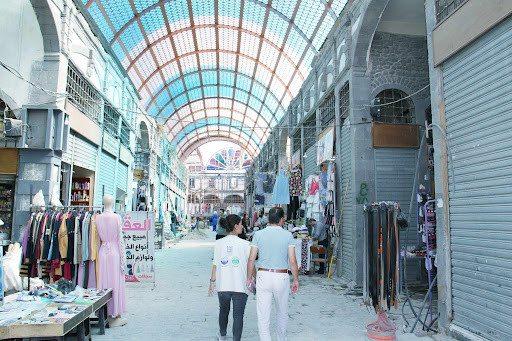
famous for its specialized commercial markets — known today as the Old Souks
— built in the Mamluk architectural style with arched ceilings adorned with
decorative star motifs.
Among the most notable markets are: Al‑Bazarbashi, Al‑Kandargiyyeh,
the Goldsmiths’ Market, the Qatayef Market, the Tannakjiyeh Market, the
Exhibition Market, the Textiles Market, the Arab (Abaya) Market, the Tailors’
Market, the Furriers’ Market, and Khan Al‑Qaysariyya.
These markets, with their basalt‑paved floors and the
familiar sounds of merchants and customers, once formed the social and economic
heart of Old Homs. But despite preserving their beauty for centuries, they
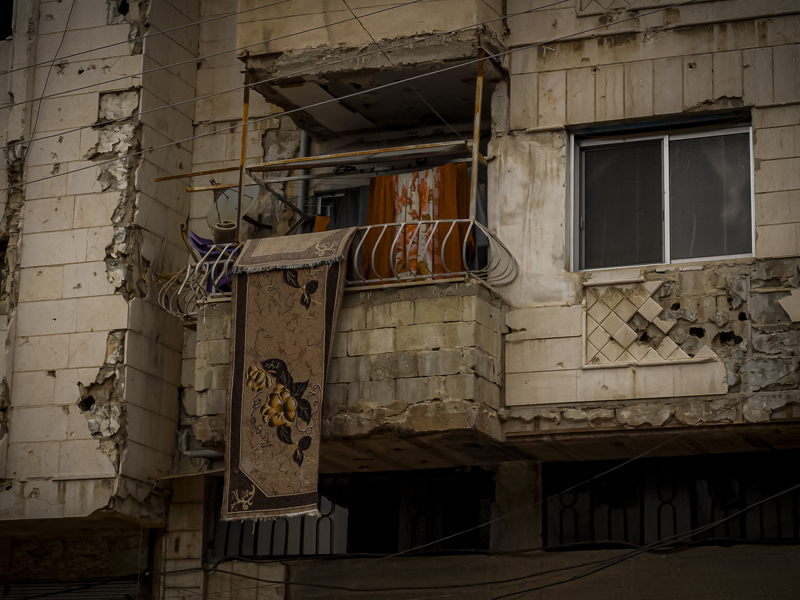
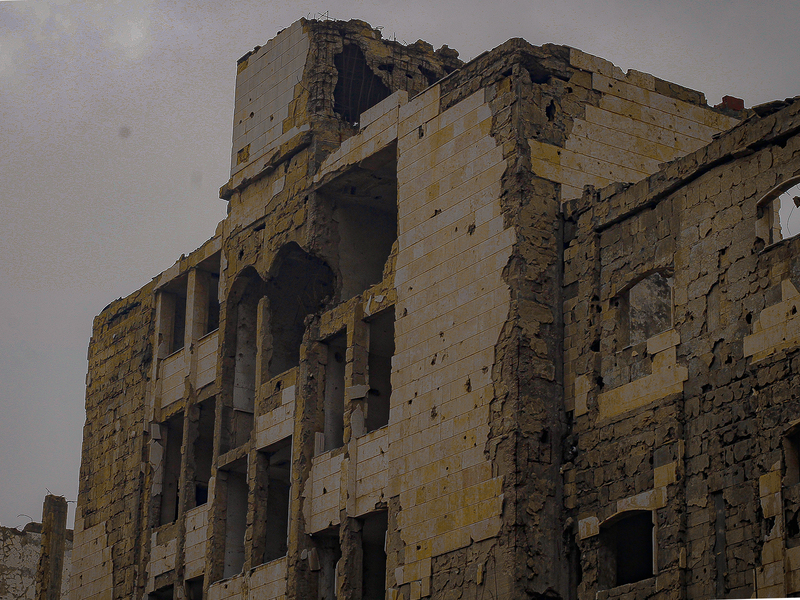
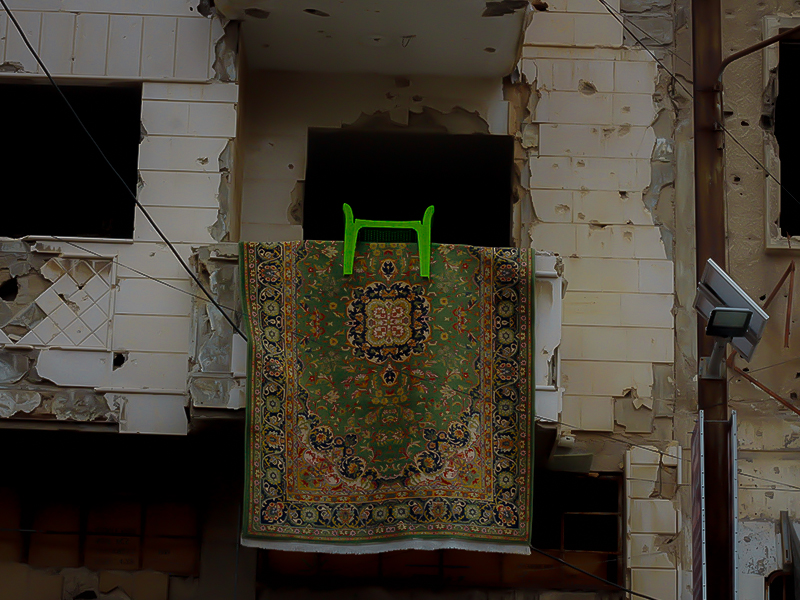
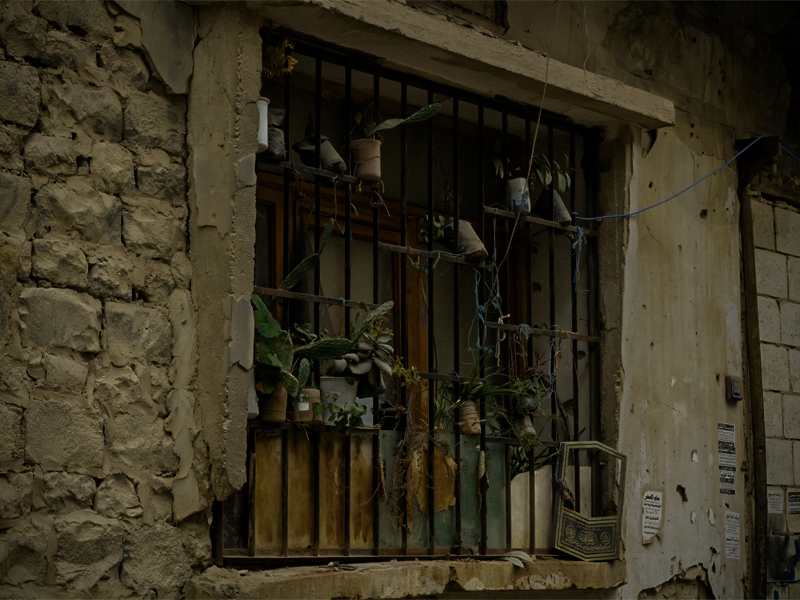
suffered severe destruction and systematic looting during the war.
Today, however, life is slowly returning. Restoration
efforts began in 2015 under the supervision of the Governorate and the City
Council, in coordination with the Directorate of Antiquities and the UNDP.
Around 400
merchants have returned to their shops, and commercial activity
is gradually improving.
Merchants Returning Despite the Challenges
Azmi Qabaqibo, a merchant in the covered market,
explains that major efforts were made to revive the souk while preserving its
heritage identity. Yet part of the market remains without a roof, forcing him
to rely on temporary coverings. He hopes the remaining restoration work will
receive the attention it needs.
In the Silk Market, merchant Samer Hasriyeh
says that returning to the souks was a bold step, encouraged largely by Decree No. 13,
which exempted shop owners in the old markets from income taxes. He notes that
partial restoration and basic services have helped revive activity, but full
restoration is still needed for the markets to complement each other as they
once did.
Merchant Samer Sabrine highlights the importance of the
same decree, which grants tax exemptions until 2027, calling it a major
incentive for traders to return. He emphasizes the unique beauty and diversity
of Homs’ historic markets and hopes to see restoration efforts completed,
similar to the progress made in Aleppo.
Meanwhile, merchant Ali Nouh stresses that traders returned out of
love for their shops and their heritage. He calls on all merchants to cooperate
with authorities and accelerate the revival process. He notes that the City and
Governorate Councils, along with international organizations and local
communities, have worked to rehabilitate parts of the market and restore
essential services.
A Centuries‑Old Heritage… and a Future Awaiting Full Restoration
Built during the Ayyubid and Mamluk periods between 1300 and
1400 AD, Homs’ historic markets were named after the crafts and goods they
specialized in. Although large sections still require restoration, the return
of merchants and the gradual rise in commercial activity signal a promising new
chapter for one of the city’s most important cultural and economic landmarks.

Leave a Reply
Your email address will not be published. Required fields are marked *
Search
Category